 Claiborne Family in Early Virginia (William Claiborne Line)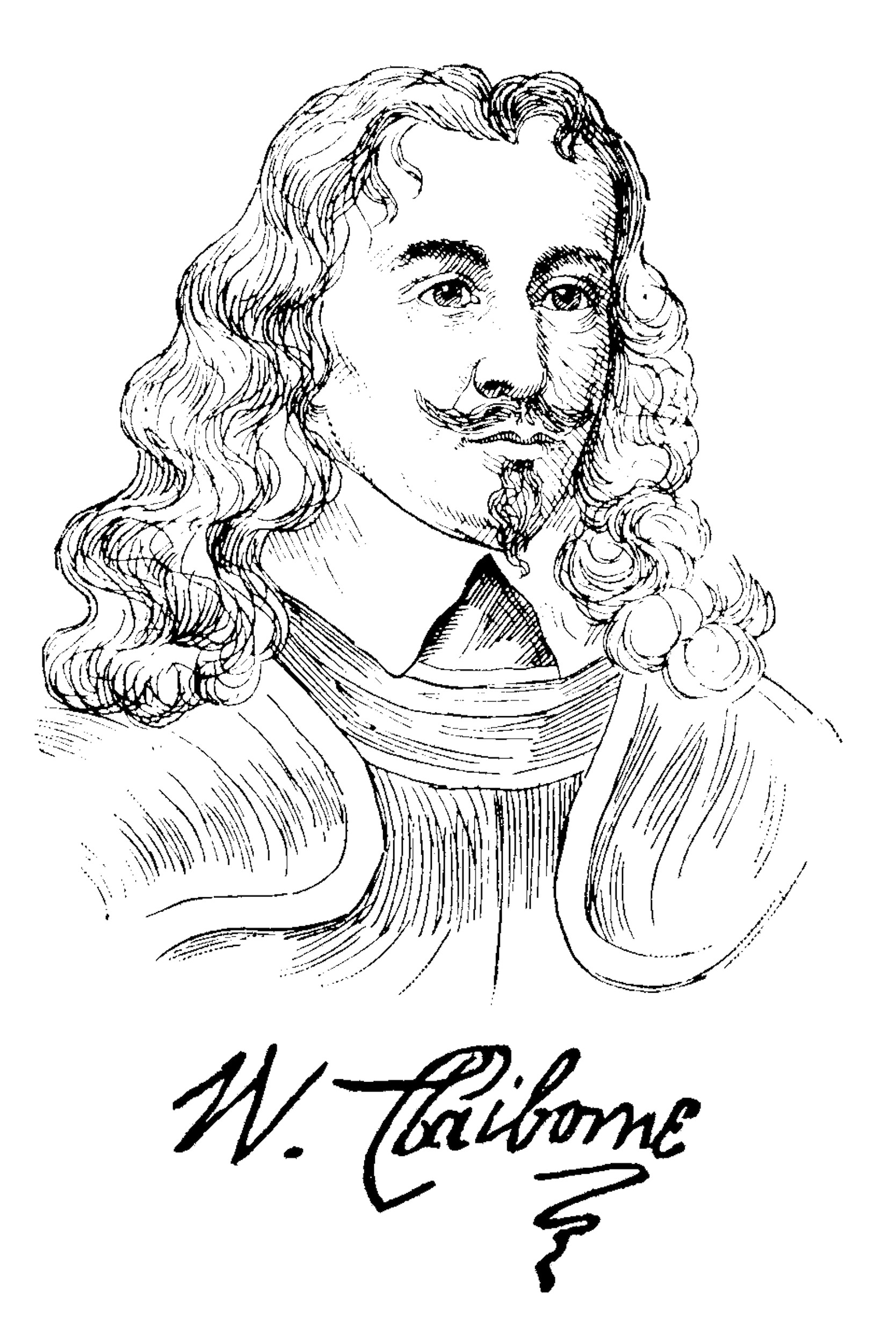 In 1644, Governor Berkeley appointed Claiborne to serve as General of the Virginia Militia in the aftermath of the 1644 Massacre. Eight years later in 1652, Claiborne arrived with instructions from Cromwell's triumphant Parliamentary faction to force Berkeley's resignation with force if necessary, though none was needed between the old friends despite the awkwardness of the situation. When King Charles the Second restored the monarchy, Governor Berkeley returned as Virginia's governor and kept Claiborne on his council. Berkeley and Claiborne together made up an important part of the colony's ruling class between 1660 and 1675, helping maintain a kind of status quo for about fifteen years as they both advanced in age toward their seventies. Finally, in response to deteriorating economic conditions, abuses by petty tyrants on the county level, native attacks going unanswered on the frontiers, no elections having been called in a decade and a half, and various other contributing factors, the colonists finally began to revolt in 1676, inaugurating Bacon's Rebellion. Claiborne seems to have supported Berkeley's faction during the conflict, though by now his son William Jr. was becoming more active while the senior Claiborne was probably not directly involved in much of what was then happening. Both Claiborne and Governor Berkeley passed away peacefully during the following year of 1677. Children of William and Elizabeth Butler ClaiborneJane, born 1635; married Thomas Brereton after 1657; had a boy and girl; died 1671.William Jr., born 1636; married Elizabeth Wilkes; had three daughters and one son; died 1685. John, born about 1639; died 1739. Thomas, born 1647; married Sarah Fenn about 1680; fathered two daughters and a son; died 1683 at only about thirty-six years old; his widow remarried to Thomas Bray. Leonard, born about 1649; married Martha; had a daughter, Catherine, who married a John Campbell in Jamaica; died 1694. |